
This blog is based on open classroom discussion in our EMBA research course. Our
modular EMBA program includes modules where we examine and also innovate
together with participants how an EMBA research could be used as a most
effective tool in learning and also as a powerful change tool in the
organization.
modular EMBA program includes modules where we examine and also innovate
together with participants how an EMBA research could be used as a most
effective tool in learning and also as a powerful change tool in the
organization.
The participants are experienced leaders and experts from different organizations
around Finland. At this point of their studies they have typically done few
EMBA course modules and they have started to outline and write their EMBA thesis. Most of the participants have also already written applied development
research as a part of their earlier EMBA module Strategies of Excellence.
around Finland. At this point of their studies they have typically done few
EMBA course modules and they have started to outline and write their EMBA thesis. Most of the participants have also already written applied development
research as a part of their earlier EMBA module Strategies of Excellence.
Now I had the privilege to think and elaborate with the participants about nature,
role and use of an EMBA research as a most important part of whole EMBA
learning journey. As a part of my presentation I made the following questions:
role and use of an EMBA research as a most important part of whole EMBA
learning journey. As a part of my presentation I made the following questions:
- How
could you make an EMBA thesis a project which would be a most effective
learning journey? - How
could you approach your EMBA thesis so that it would on it’s part maximize the movement
toward desired direction and organizational goals? - What
kind of choices would result very poor learning results from an EMBA thesis
project? - What
kind of approaches and choices in connection with an EMBA thesis work would
result in very modest movement toward desired goals?
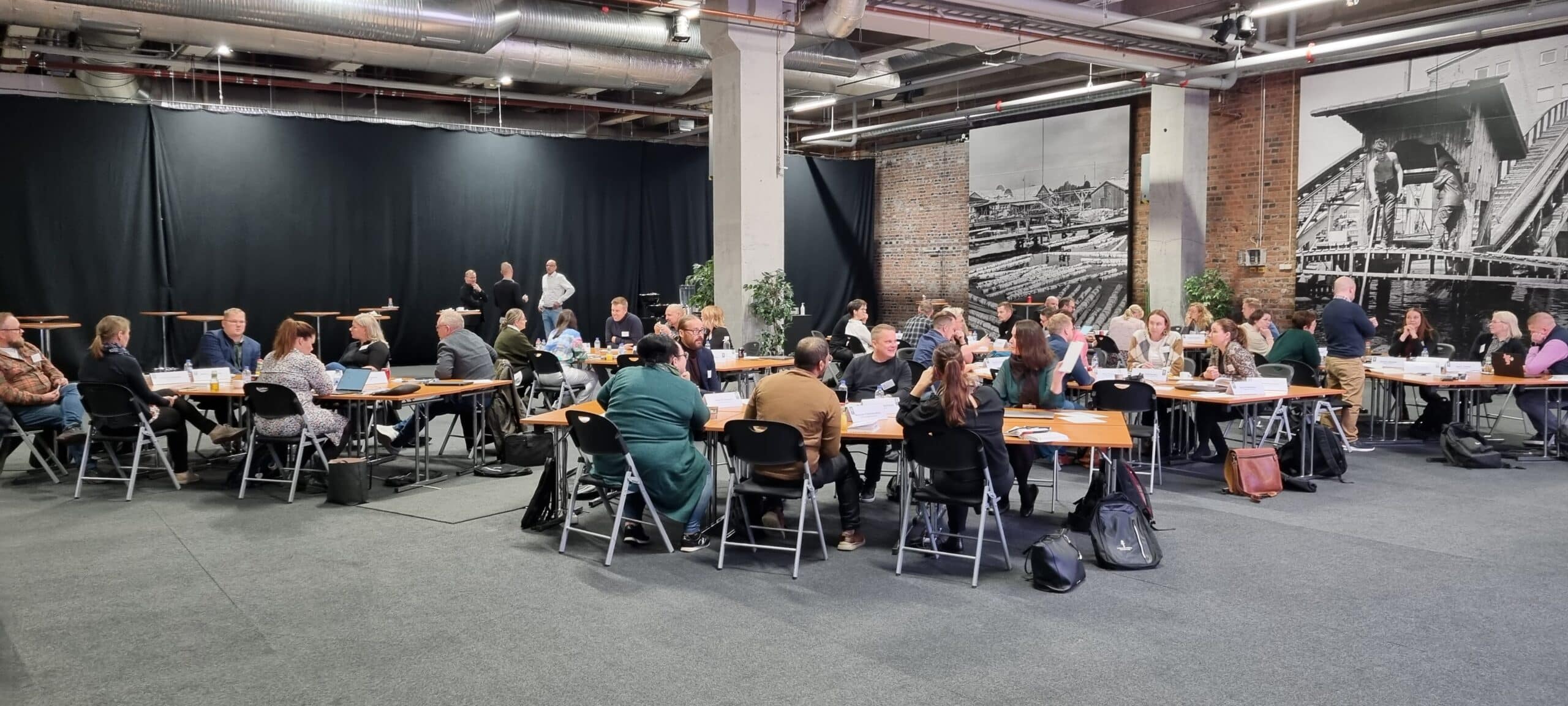
In the classroom there was about 30 participants and these four questions were given
simultaneously to the all participant. About one fourth of a class was asked to
ponder the question number 1 in small groups with their neighbours and one
fourth was asked to focus on question number 2 and so on. Time for the
discussion was rather short, about 5 minutes.
simultaneously to the all participant. About one fourth of a class was asked to
ponder the question number 1 in small groups with their neighbours and one
fourth was asked to focus on question number 2 and so on. Time for the
discussion was rather short, about 5 minutes.
Before the discussion we agreed that let us try to develop a framework around all four
questions above. Framework should include at least three perspectives on each
question. The perspectives would come from the participant and my role was to
collect answers and write this blog.
questions above. Framework should include at least three perspectives on each
question. The perspectives would come from the participant and my role was to
collect answers and write this blog.
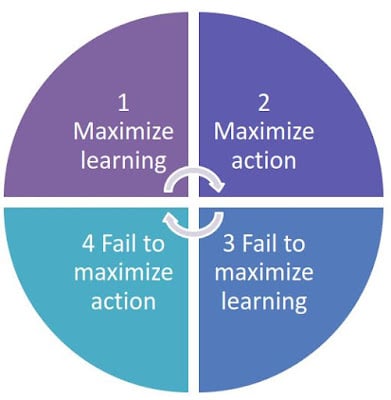
In our seminar we deliberated that answers to above mentioned four questions would
allow us to tentatively sketch four frameworks. First frame would examine
elements of best possible learning in connection to an EMBA thesis, second
would outline ways to use an EMBA thesis as tool of creating desired action,
third would talked about unwise choices from the learning perspective and
fourth framework would name elements in connection to an EMBA thesis which
would not foster movement toward goals.
allow us to tentatively sketch four frameworks. First frame would examine
elements of best possible learning in connection to an EMBA thesis, second
would outline ways to use an EMBA thesis as tool of creating desired action,
third would talked about unwise choices from the learning perspective and
fourth framework would name elements in connection to an EMBA thesis which
would not foster movement toward goals.
The discussion was conducted in Finnish. So, although these perspectives are based
on comments made by participants I take the liberty to interpret the
discussion, summarize and somewhat develop some comments. Also my translation from
Finnish into English may not be exact and may not reach all the nuances of our
discussion. However, my aim is to give fair and true picture of the discussion
in the classroom. I wish to talk here explicitly about the classroom setting
and about my role as an interpreter partly because one of our topics in the
morning was the concept of socially constructed reality and its philosophical
roots in phenomenology and hermeneutics. Hence it is important to distinguish
clearly what is first-hand speak and what is an interpretation.
on comments made by participants I take the liberty to interpret the
discussion, summarize and somewhat develop some comments. Also my translation from
Finnish into English may not be exact and may not reach all the nuances of our
discussion. However, my aim is to give fair and true picture of the discussion
in the classroom. I wish to talk here explicitly about the classroom setting
and about my role as an interpreter partly because one of our topics in the
morning was the concept of socially constructed reality and its philosophical
roots in phenomenology and hermeneutics. Hence it is important to distinguish
clearly what is first-hand speak and what is an interpretation.
First framework: maximize learning
- Involve
others to your EMBA project and allow the views of others help you to see new
angles - In the
beginning take a hard look on things you do not know, set out to learn more
about those things - Be hyper
vigilant and reflective throughout the whole EMBA process. Make a conscious
human experiment – study conscientiously how you act as a learner. - At some
point test whether you have reached the highest point of learning – can you
teach others what you have learned - Plan the
EMBA thesis project so that it helps you to expand your everyday attitude and
worldview, this means discussions with various networks, going to areas (of
knowledge) which are not in your typical comfort zone
Second framework: maximize action
- Involve
people as widely and as early as possible into your EMBA thesis project - Fully leverage the special strength of an EMBA project, the writer (EMBA
student) typically knows thoroughly the setting of an EMBA thesis and can
tackle right away most challenging and most important questions - Focus on action both on individual and organizational level and take into
account change goals on both levels - Remember that the point in EMBA thesis is to create action and change, not to
gather dust on the shelf.
Third framework: fail to maximize learning
- The EMBA
student largely knows from the beginning what the thesis will bring out - The topic of the thesis, the selected methods and the actual development work
are not as challenging as they could be - The EMBA thesis examines a topic which proves to be
fleeting/ephemeral/perishable (in Finnish päiväperhonen)
Fourth framework: fail to maximize action
Focus mainly (solely) on writing, no connection or dialogue with people around- Uses frameworks and models which remain too alien to the real context of EMBA
thesis - EMBA researchers moves too fast or too slowly and fails to see the inherit dynamic
of the EMBA thesis setting
Summary
Thank you
all for most inspiring discussion. In my mind these comments and tentatively
crafted frameworks offer valuable starting points for all who wish to make
their EMBA thesis an excellent learning journey and who also wish use their EMBA
thesis as a tool of creating desired action and change in their organization.
all for most inspiring discussion. In my mind these comments and tentatively
crafted frameworks offer valuable starting points for all who wish to make
their EMBA thesis an excellent learning journey and who also wish use their EMBA
thesis as a tool of creating desired action and change in their organization.
All the best success with your EMBA thesis.

Ari Manninen
Johtaja
+358 40 586 8887
ari.manninen(at)jyu.fi
https://www.linkedin.com/in/arimanninen/